
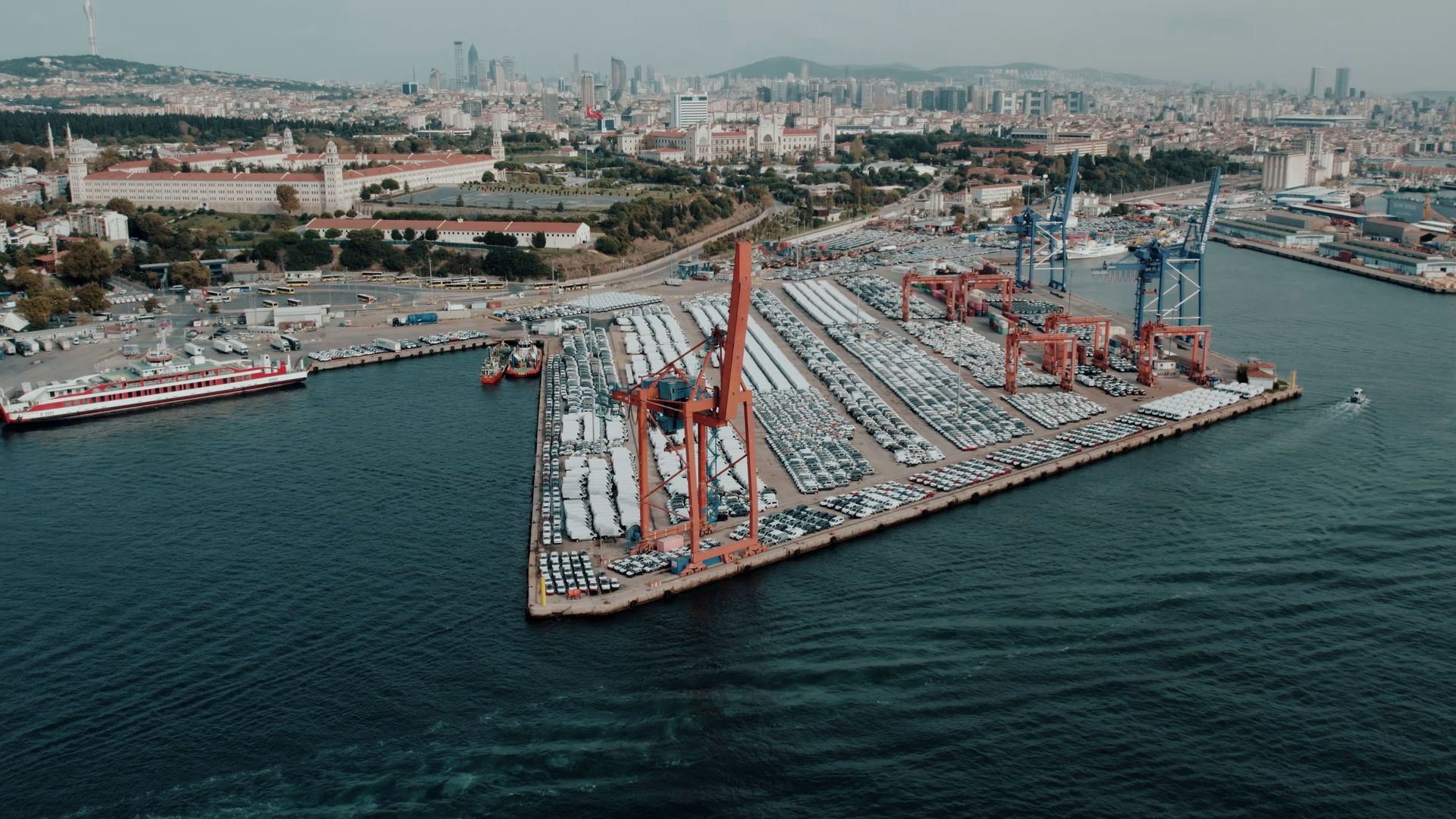
Turkey France trade trends are reshaping not only the flow of goods between the two countries but also companies' decisions on sourcing, production, distribution, and investment. When Turkey's flexible production capability combines with France's high value-added market structure, significant commercial potential emerges. However, this potential does not translate into sales without the right product positioning, reliable local partners, and a market-appropriate operational model.
For Turkish companies looking to enter France, price advantage alone is not sufficient. French buyers evaluate delivery reliability, product traceability, certification, after-sales support, and sustainability data together. For French companies entering the Turkish market, establishing strong local distribution, pricing discipline, and regulatory-compliant operations becomes crucial.
What direction do Turkey France trade trends indicate?
The prominent change in trade between the two markets is the shift from transaction-based exports to more permanent commercial relationships. Buyers are not just looking for product suppliers; they are seeking solution partners who can adapt to stock planning, maintain quality standards, and provide local technical or commercial support when necessary. This situation highlights the limitations of an export model based on short-term tendering processes.
Turkey has the advantage of being an alternative or complementary supply centre for France, particularly due to its production agility, logistical proximity to Europe, and industrial infrastructure across various sectors. In contrast, France represents a large but selective market for Turkish companies in branding, technology, premium consumption, energy transition, and regulated sectors.
Companies looking to assess trade volume should not only look at general import and export figures. The key questions are: In which product groups is demand stable? In which segment do margins cover logistics and compliance costs? Where are the weaknesses of the existing players in the market? The answers to these questions vary according to the sector, customer type, and entry model.
Sustainability is no longer an additional item in the offer.
In the European market, environmental impact is increasingly becoming a commercial evaluation criterion. Purchasing teams in France are demanding more detailed information from suppliers, particularly in production, packaging, textiles, building materials, automotive sub-industry, and consumer products. Carbon footprint, recyclability, product origin, chemical content, and documentation related to production processes are becoming part of the offer process.
This trend creates two different outcomes for Turkish manufacturers. For unprepared companies, new documentation, audit, and cost burdens arise. For prepared companies, there is an opportunity to access more qualified buyers through traceable and compliant production, rather than just competing on price.
The critical point here is not to limit the sustainability claim to marketing language. The technical file, certificate, production data, and packaging information that a French customer may request must be ready before the sales meeting. A distributor's liking for the product may not lead to an order if the necessary commercial and technical evidence is lacking.
Areas with opportunities in green transformation
Energy efficiency solutions, renewable energy equipment, electric mobility components, insulation and building technologies, recyclable packaging, and low-impact textile applications are among the notable areas. The entry requirements for each area differ. For example, while technical compliance and project networks are important in building materials, the procurement policies and volume capacity of large buyers may be more effective in packaging.
The near-sourcing model is enhancing Turkey's advantage
Delays in global supply chains have left companies facing the risks of being dependent on a single distant production centre. Therefore, importers and industrial companies in France are showing more interest in suppliers that can offer shorter delivery times, are easy to communicate with, and allow for production tracking. Turkey's geographical proximity is a strong advantage in this regard.
However, proximity does not automatically mean preference. For the French customer, order accuracy, delivery time commitment, transport organisation, customs documentation, and the speed of intervention in potential issues are evaluated together. Disruptions in the first few shipments can damage the commercial trust established over a long period.
Therefore, a company planning to sell in the French market should not only obtain shipping prices. Minimum order quantities, warehouse needs, return procedures, delivery methods, product liability, and after-sales processes should be determined in advance. In some products, local stock or third-party logistics solutions in France may provide a better customer experience despite higher operational costs.
E-commerce is growing, but the channel strategy is changing
Cross-border e-commerce offers an accessible channel for market entry, particularly in niche consumer products, home living, design, cosmetics, accessories, and certain food categories. However, online sales in France are not just about listing products. Presenting product information in French, consumer law, the right of withdrawal, return management, customer service, packaging obligations, and local delivery expectations directly affect the conversion rate.
The most common mistake for Turkish brands is to transfer their digital sales model from their domestic market to France in the same way. However, customer expectations, trust factors, and price sensitivity vary by category. Conducting demand testing through a marketplace may be the right start for some companies. For companies aiming for higher brand control and long-term customer data, a localized own sales channel and logistics within France may be more suitable.
The entry of French companies into Turkey via e-commerce similarly requires localization. The payment preferences of Turkish consumers, expectations for fast delivery, product research habits through social media, and price comparison behaviour determine the choice of channel. It is unrealistic to expect the same result in two markets with a single digital plan.
Distributor selection may be more critical than local presence.
Success in Turkey-France trade often starts with the right initial partner. However, the selection of a distributor, dealer, or commercial representative should not be made solely by looking at a broad customer list. The partner's history in the product category, active sales team, existing brand portfolio, regional coverage, financial capacity, and after-sales capability should be examined.
Especially a distributor in France Having strong retail access does not mean that your product will be prioritised. There may be directly competing products in the portfolio, or the sales team may focus on higher-margin brands. In Turkey, a partner with a strong distribution network may not have sufficient operational capacity in the cities you are targeting.
For a healthy partnership the region, target customer group, annual sales target, pricing discipline, marketing contribution, exclusivity conditions, and reporting structure must be clearly defined. Exclusivity should be handled carefully, especially for companies entering a new market. Granting broad and long-term exclusivity before the partner has proven their performance can limit future growth options.
Regulatory compliance should be addressed in the initial phase of the business plan
When selling products to France or Turkey, tax, customs, labelling, product safety, intellectual property, and sectoral permits are not issues to be resolved after the sale. Lack of compliance can lead to shipment delays, additional costs, product recalls, or loss of commercial reputation.
This risk is particularly high in cosmetics, food, medical products, chemicals, children's products, electronics, machinery, and building materials. The same process does not apply to every product. The classification of the product, the type of target customer, the sales channel, and the requirements of the importer role change. Therefore, alongside market research, technical and administrative compliance checks should be conducted.
Company establishment is also part of this plan. For some firms, it may be sufficient to proceed with a local distributor in the initial phase. When sales volume increases, the need to establish a team, handle billing, maintain inventory, or participate in public and large corporate customer tenders arises. local company structure becomes more meaningful. The right timing prevents unnecessary fixed costs while also maintaining commercial control.
A practical roadmap for decision-makers
Narrowing down the target sector and customer profile before market entry determines the return on the initial investment. Instead of a general approach of "France market" or "Turkey market", a specific segment, geographical area, and buyer type should be selected. Then, competition, price level, import structure, and suitable partner profile should be verified.
In the second stage, the technical, commercial, and linguistic preparation of the product should be made. French product documents, price lists, sample plans, certificates, and delivery models should be ready before sales discussions. On the Turkey side, Turkish content, local pricing, and channel management are equally important.
The final stage is measurable commercial implementation. It should be determined how many qualified buyers will be reached, how many meetings will be held, which fair or B2B organization will be used, and which sales target will be tested. A structure like ADAL Consulting, which can carry out both market entry strategy and partner research, company establishment, and sales operations together, can reduce the coordination risk among different service providers.
The most accurate start is not to target the widest market. Choosing the narrowest segment where your product solves a real problem, meets compliance requirements, and can reliably serve the first customer is a safer way to turn the commercial opportunity between Turkey and France into sustainable growth.